CFP Deadline: 30 September 2018
In their 2003 book Modern Political Culture in the Caribbean (University of the West Indies Press) Fred Reno and Holger Henke argued – along with various contributors – that political culture in the Caribbean was circumscribed by “a great complexity of social relations and the influence of such variables as race, ethnicity, migration and multi-faceted dependency (for example, of institutional mimicry, strategies of reproduction of metropolitan model by local elites, socio-economic conditions, popular culture) on politics.” In this reader they then asked questions such as “What role do race, historical experience, ethnic fragmentation and economic conditions play? How can civil society – and, thus, the people – come to play a greater role in the political process?”
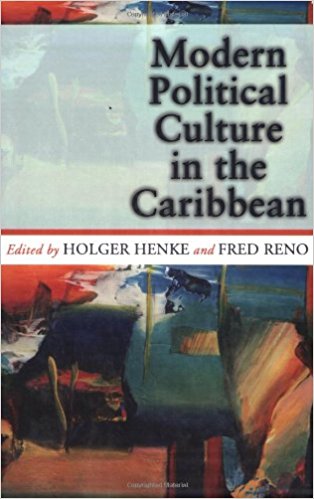
Much has changed in the last fifteen years and new dimensions exerting palpable influence on the region’s and its various and diverse national units’ political life that warrant renewed attention and examination. Henke and Reno are now tempted to argue that in this age of social media and instant access to information the very nature of civil society is experiencing profound changes. At the same time, the rise of the notion of so-called fake news and the open questioning by many of the – for well-functioning democracies – critical role of the media, and of experts and watchdog institutions poses a severe challenge for the political culture of Caribbean states. Continue reading Modern Political Culture in the Caribbean